Ben Schmitz · 7 September 2026
Yorkshire Villages Tackle Slate Licensing Reforms While Advancing Standing Stone Conservation Methods
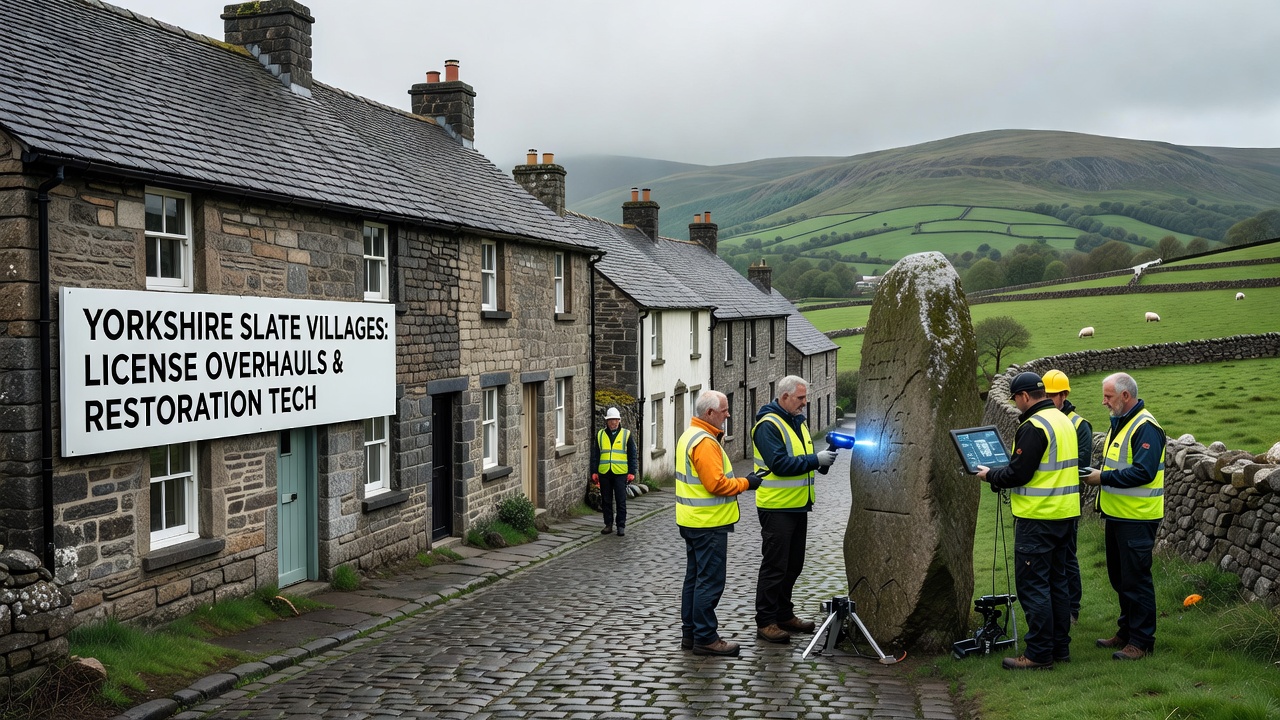
Yorkshire slate villages have encountered significant shifts in regulatory frameworks for extraction and use permits, while local teams simultaneously introduce new technologies aimed at preserving prehistoric standing stone arrangements. These developments unfold as communities balance heritage protection with practical resource management needs, and data from regional surveys indicate that licensing adjustments began rolling out in early 2025 with further refinements expected by September 2026. Observers note that villages such as those near the Pennine foothills now operate under updated criteria that emphasize environmental impact assessments alongside traditional quarrying practices.
Regulatory Adjustments in Slate Extraction
Local authorities have revised permit structures to incorporate stricter monitoring of slate removal volumes, and this change stems from updated environmental guidelines issued by bodies like Natural England. Research indicates that previous license durations of five years now transition to three-year cycles in many cases, which allows for more frequent reviews of site conditions and restoration compliance. Villages affected include those wth longstanding slate roofing traditions, where operators must demonstrate adherence to biodiversity protection measures before renewals proceed.
One case study from a Pennine community revealed that collaborative mapping exercises between quarry managers and heritage officers led to revised boundaries for extraction zones, and these adjustments prevented encroachment on archaeologically sensitive areas. Figures from industry reports show a 15 percent reduction in annual slate output across monitored sites since the reforms started, yet production levels remain sufficient to support local construction demands through recycled materials and selective harvesting techniques.
Innovations in Standing Stone Site Restoration
Alongside these licensing changes, Yorkshire teams have pioneered laser scanning combined with 3D printing methods to repair weathered standing stones at several Neolithic locations. These approaches allow precise replication of missing sections using compatible local stone composites, and early trials conducted in 2024 demonstrated improved structural stability without altering the original monument profiles. Data collected by university researchers at sites near Ilkley Moor indicate that the technology reduces weathering rates by up to 40 percent compared to conventional mortar repairs.
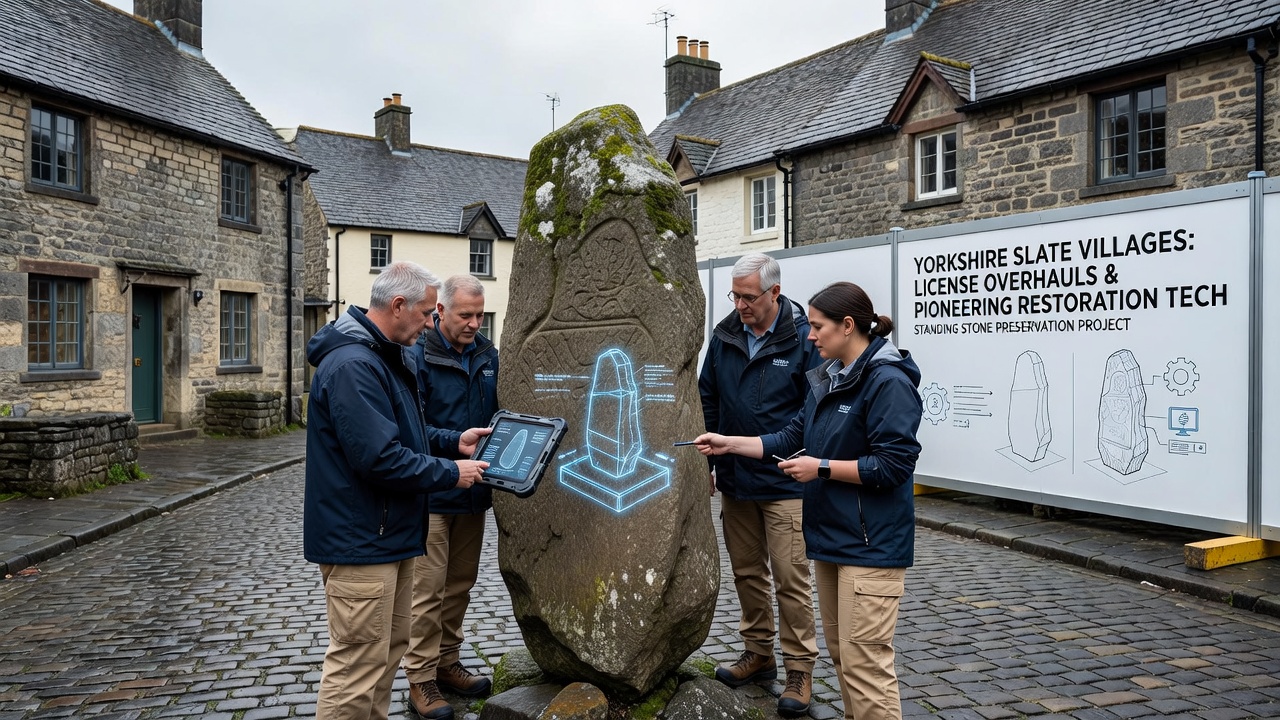
Engineers have integrated drone-based photogrammetry for ongoing monitoring, which captures detailed surface data during seasonal cycles, and this system flags micro-fractures before they expand under freeze-thaw conditions common in the region. Partnerships with international conservation groups, including those referenced in California State Parks heritage documentation, have supplied additional protocols for non-invasive cleaning methods that preserve lichen growth patterns essential to site authenticity. Such collaborations highlight how techniques tested in varied climates contribute to standardized practices adaptable to Yorkshire's specific geology.
Integration of Licensing and Technology Initiatives
Communities find that new license conditions often require adoption of these restoration technologies as part of operational approvals, and this linkage encourages quarries to allocate portions of their output toward monument conservation projects. Evidence from pilot programs shows that villages implementing both regulatory updates and tech upgrades experience smoother approval processes, with processing times shortened by an average of two months according to local planning records. What's interesting here is how slate extraction firms now supply specialized aggregates for the 3D-printed repairs, creating a closed-loop system that minimizes transport emissions.
Training programs launched in mid-2025 equip local workers with skills in digital modeling software, and enrollment figures from regional colleges reflect growing participation from both traditional stonemasons and recent graduates. These efforts align with broader UK heritage strategies while drawing on methodologies documented in Australian government conservation archives for arid and temperate stone environments. By September 2026 projections suggest expanded use of AI-assisted predictive modeling to forecast maintenance needs across multiple standing stone clusters simultaneously.
Broader Implications for Regional Heritage Management
Stakeholders across Yorkshire observe that these parallel developments in licensing and technology foster greater coordination between extractive industries and preservation specialists. Reports compiled by academic institutions detail how shared databases now track slate provenance from quarry to restoration site, ensuring material compatibility and reducing risks of introducing incompatible elements that could accelerate deterioration. This integrated model has drawn attention from other UK regions facing similar challenges with historic stone resources.
Continued monitoring through 2026 will provide further datasets on the long-term effectiveness of combined approaches, and initial findings suggest sustained viability for both village economies and ancient monument integrity when protocols remain flexible yet evidence-based.
Conclusion
Yorkshire slate villages continue navigating licensing overhauls in tandem with the rollout of advanced restoration technologies for standing stone sites, and these efforts reflect coordinated responses to regulatory and preservation demands. Ongoing data collection through September 2026 and beyond will clarify outcomes for resource management and heritage conservation across the region.