Parker Franke · 2 November 2026
Stone's Shifting Supply Lines: Tracking How License Reforms and Quarry Upgrades Shape Export Values Alongside Monument Upkeep Across Britain
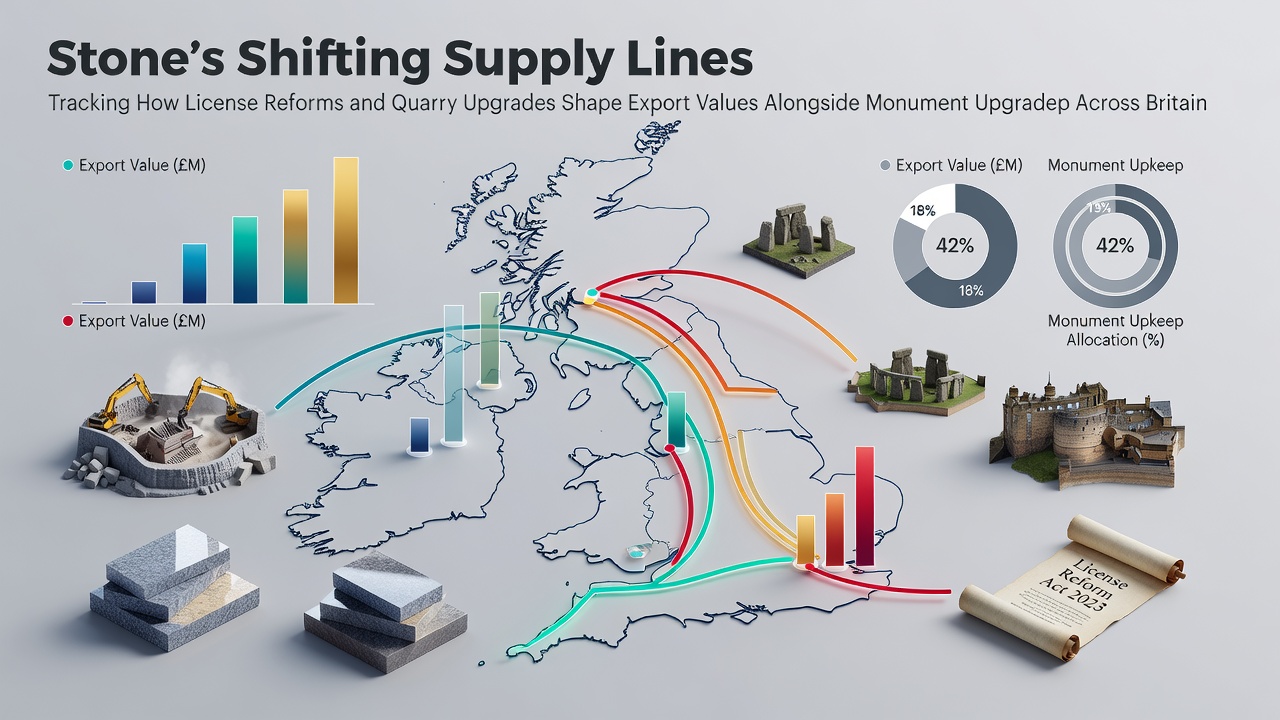
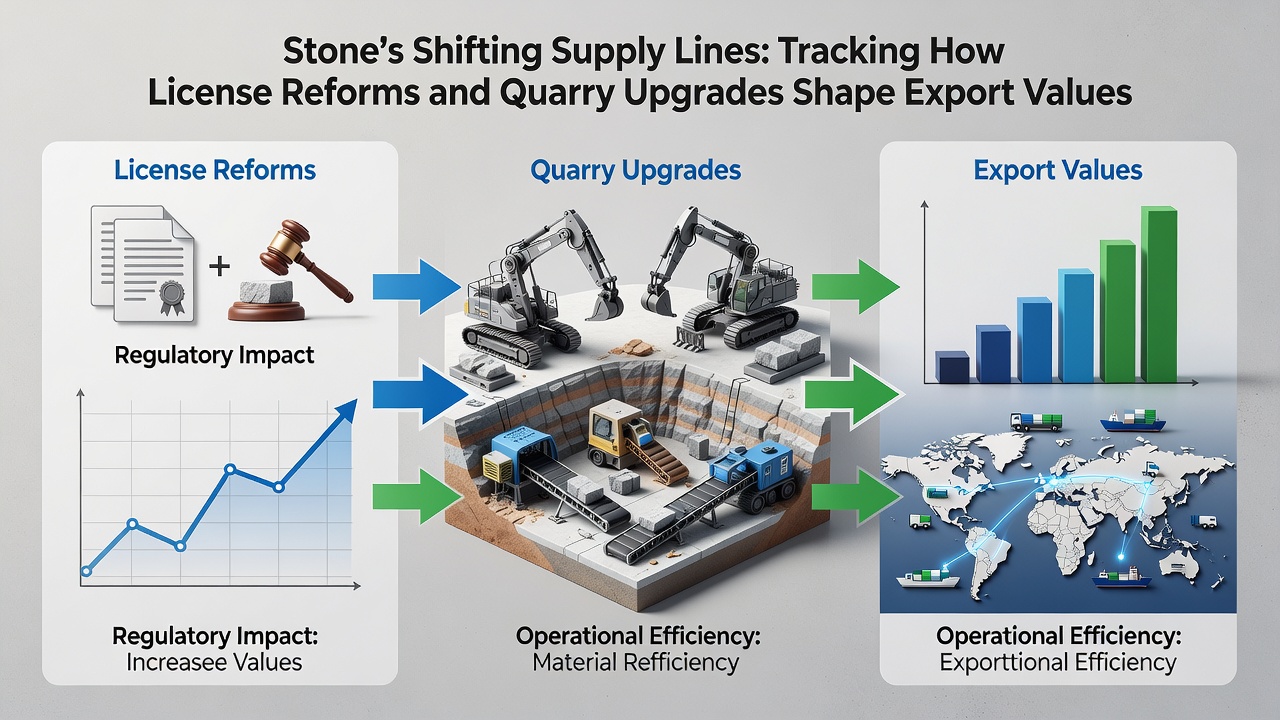
License reforms across multiple British regions have begun reshaping how quarries operate while quarry upgrades introduce new extraction efficiencies that directly influence export values and the funding available for ancient monument upkeep. Data from industry reports shows these changes started accelerating in late 2025 with further adjustments scheduled for November 2026 when updated permitting requirements take effect in several counties. Observers note that operators now face stricter environmental assessments yet gain access to faster approval pathways once they invest in upgraded machinery and waste reduction systems.
Reforms Reshape Quarry Operations Nationwide
Scottish and Welsh authorities implemented revised licensing frameworks in 2025 that tie permit durations to measurable improvements in site rehabilitation and resource efficiency while English counties followed similar patterns through updated mineral planning guidance. Those who've studied the sector know these rules require operators to demonstrate reduced water usage and lower dust emissions before renewal and many facilities responded by installing automated crushing lines along with solar-powered conveyor systems. Figures reveal that such upgrades cut operational costs by measurable margins and allowed some sites to increase output without expanding their physical footprint.
Quarry managers in regions like the Lake District and Peak District coordinated with local planning offices to align new equipment installations with licensing deadlines and the result appears in higher volumes of dimension stone adn aggregate moving through export channels. Research indicates that upgraded sites now produce stone with more consistent quality grades which appeals to overseas buyers seeking reliable supplies for construction projects. And because licensing now factors in long-term site restoration commitments operators allocate portions of export revenue toward those obligations.
Export Values Respond to Upgraded Production Capacity
Export statistics compiled by the British Geological Survey show steady growth in stone shipments to European and North American markets through the first half of 2026 with certain high-value slate and granite categories posting the strongest gains. Upgraded quarries achieve tighter tolerances on block sizes and surface finishes which commands premium pricing in international contracts. One study revealed that facilities completing modernization programs before the November 2026 deadlines captured larger shares of overseas orders compared with slower adopters.
What's interesting is how these efficiency gains also stabilize domestic supply chains and leave surplus material available for heritage projects. Monument conservators report improved access to matching stone types from nearby upgraded quarries which reduces transportation costs and carbon footprints associated with distant sourcing. Data shows that coordinated supply agreements between quarry operators and conservation trusts have increased since the licensing changes took hold.
Monument Upkeep Benefits from Linked Revenue Streams
Ancient site managers at locations ranging from prehistoric circles to medieval cathedrals have started receiving dedicated funding streams tied directly to export levies and quarry restoration bonds established under the new licensing rules. These mechanisms channel portions of overseas sales revenue into maintenance accounts managed by heritage organizations and local authorities. Evidence suggests that sites previously reliant on sporadic grants now benefit from more predictable allocations that support routine inspections and targeted repairs.
Operators in Yorkshire and Cornwall have formed partnerships with monument trusts to supply stone from specific extraction zones known for matching historic material and these arrangements help both parties meet regulatory expectations around sustainable sourcing. According to records maintained by regional mineral planning authorities such collaborations accelerated after 2025 licensing updates. And because upgraded quarries produce less waste the overall environmental impact of supplying both export markets and conservation needs has declined in documented cases.
November 2026 Deadlines Drive Further Adjustments
With new compliance thresholds approaching in November 2026 many quarry companies have accelerated investment in monitoring technology and digital permitting platforms to avoid operational interruptions. These systems track extraction volumes in real time and feed data directly into licensing portals which streamlines reporting requirements. Industry organizations note that early adopters of these tools have already seen smoother renewal processes and stronger export contract negotiations.
Meanwhile conservation groups use the same data transparency to verify that stone supplied for monument projects originates from licensed sources meeting environmental standards. This shared information environment reduces disputes over material provenance and supports longer-term planning for both sectors.
Conclusion
License reforms combined with targeted quarry upgrades continue to influence export values and monument upkeep across Britain through interconnected supply and funding mechanisms. As November 2026 compliance dates near the sector demonstrates measurable shifts in production efficiency and resource allocation that benefit both commercial and heritage interests. Observers continue tracking these developments through official mineral statistics and planning authority reports.