Vera Carter · 2 September 2026
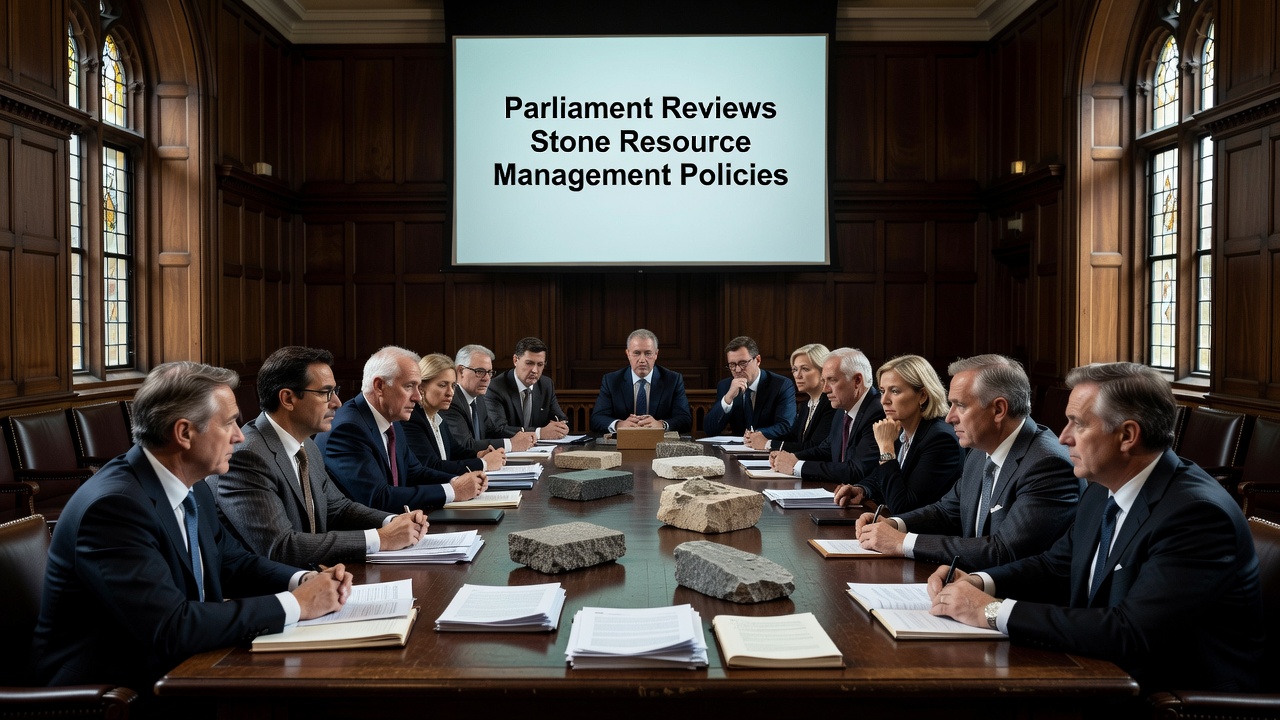
The House of Commons Environment Committee has initiated a comprehensive review of stone resource management across the United Kingdom. The inquiry aims to assess current extraction practices, sustainability measures, and long-term supply security for aggregates used in construction and infrastructure projects.
Current Challenges in Stone Extraction
Committee members heard evidence from industry representatives and environmental groups highlighting inconsistencies in planning permissions for quarries. Witnesses noted that regional disparities in permitting processes have led to uneven distribution of active sites, with some areas facing potential shortages by 2030. Data presented showed that annual UK aggregate demand exceeds 200 million tonnes, yet recycling rates remain below 30 percent in several regions. Concerns were also raised about the environmental impact of open-cast operations, including habitat disruption and groundwater effects. Experts called for updated geological surveys to better map viable reserves and reduce reliance on imports from overseas suppliers.
Further testimony addressed workforce issues, with training programmes struggling to attract new entrants amid an ageing demographic in the sector. Operators emphasised the need for clearer regulatory timelines to support investment decisions in plant and equipment upgrades.
Proposed Reforms and Industry Impact
Proposals under discussion include mandatory biodiversity net gain requirements for all new quarry applications and incentives for increased use of secondary aggregates. The committee is examining models from Scotland and Wales that integrate circular economy principles into resource planning. Industry bodies have welcomed the focus on long-term strategy but warned against measures that could increase operational costs without corresponding support for innovation in low-carbon extraction techniques.
Submissions from local authorities stressed the importance of aligning national policy with regional development plans to avoid bottlenecks in major projects such as road upgrades and housing programmes. The review is expected to publish its findings later this year, potentially shaping future legislation on mineral safeguarding and environmental standards. Stakeholders across the supply chain are monitoring developments closely as outcomes could influence licensing, taxation, and research funding priorities for the coming decade.