Dana Franke · 2 September 2026
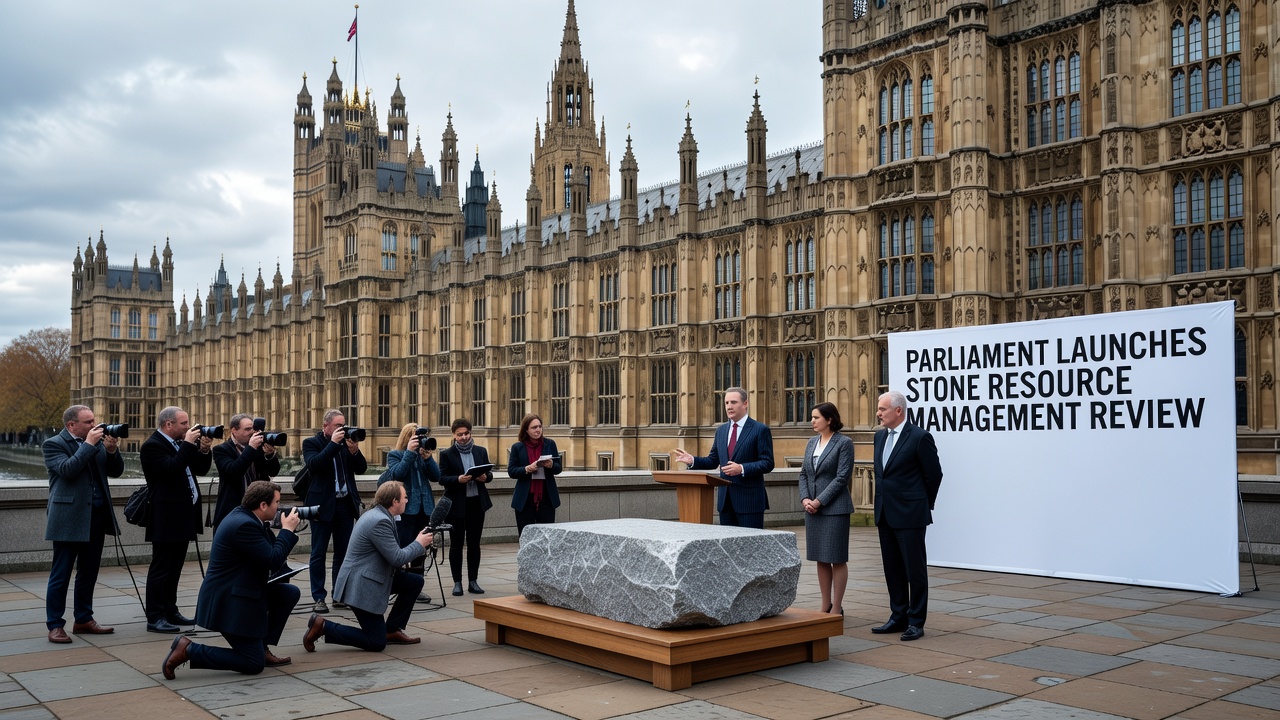
The House of Commons has begun a detailed parliamentary review examining the management of stone resources throughout the United Kingdom. This initiative addresses both the supply demands of the construction industry and the imperative for environmental protection. Various stakeholders including quarry operators, environmentalists, and local councils have submitted evidence to the committee.
Challenges Facing Stone Extraction Industries
Stone and aggregate materials form the backbone of UK infrastructure development, with millions of tonnes extracted annually from quarries nationwide. Current practices face criticism due to their potential effects on local ecosystems, including soil erosion and wildlife displacement. The review panel has analyzed statistics indicating that without strategic planning, reserves could diminish significantly within the next thirty years. Industry leaders presented arguments for continued access to resources to meet housing and transport goals set by the government. Concerns were also raised regarding the carbon emissions associated with heavy machinery used in extraction and transportation. Proposals for mitigation include transitioning to electric equipment and optimizing logistics to lower overall impact. Local residents have voiced frustrations over prolonged operations causing noise pollution and visual intrusion in rural landscapes. The committee is evaluating how existing laws can be strengthened to enforce better restoration of exhausted quarry sites into useful community assets or natural habitats. Additional testimony covered fluctuating market demands tied to economic cycles and the need for updated geological surveys to identify sustainable extraction zones.
Pathways Toward Sustainable Resource Policies
Looking ahead, the review is expected to advocate for greater incorporation of secondary materials derived from construction waste into supply chains. This approach would lessen dependence on primary stone extraction while promoting circular economy principles. Experts recommended enhanced geological assessments using modern technology to locate viable deposits more efficiently. Collaboration with European counterparts on best practices for mineral planning was suggested as a beneficial step. The outcomes of this inquiry could shape legislation affecting permissions for new quarrying activities and incentives for sustainable methods. Economic analyses show the stone industry contributes substantially to employment in several regions, making balanced policies crucial. Ultimately, the parliamentary process aims to secure reliable access to stone resources for future generations without compromising environmental standards or community well-being. Additional focus areas include research funding for alternative building materials and improved data collection on resource consumption patterns across different sectors.