Jordan Jenkins · 5 October 2026
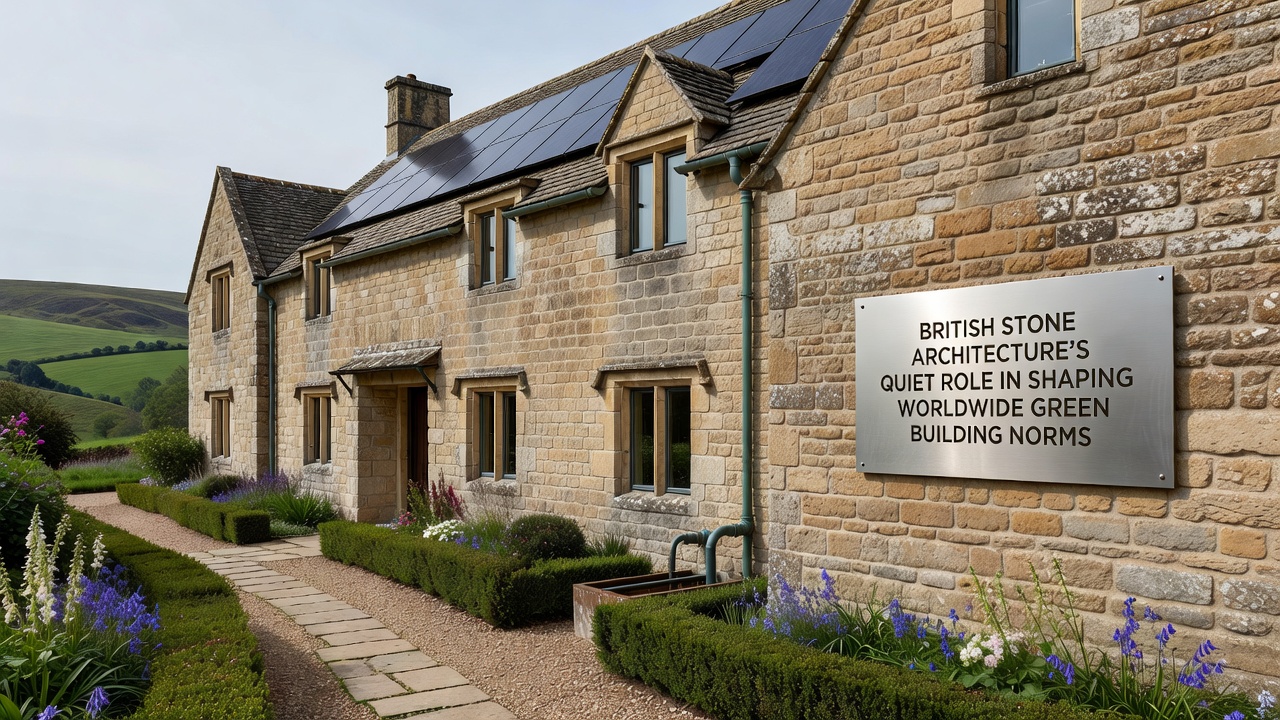
British Stone Architecture's Quiet Role in Shaping Worldwide Green Building Norms
British stone architecture has contributed to global green building practices through its emphasis on durable materials, thermal performance, and minimal ongoing resource demands, and this influence continues to appear in international standards and projects as of October 2026. Observers note that structures built from local limestone, sandstone, and granite have long demonstrated how natural stone can reduce the need for frequent replacements and synthetic additives, while providing consistent energy regulation in varying climates. Data from industry reports show that these characteristics align with metrics used in certification systems worldwide, where longevity and embodied carbon calculations favor materials with proven multi-century lifespans. Researchers have tracked how British examples, from medieval cathedrals to Georgian townhouses, supplied early evidence for the benefits of high thermal mass construction, and those findings now inform modeling software used by architects in multiple continents. The material's ability to absorb and release heat slowly supports reduced heating and cooling loads, a principle that appears in guidelines issued by organizations such as the World Green Building Council. Figures from European construction databases indicate that projects incorporating similar stone elements report measurable drops in operational energy compared with lighter alternatives, and this pattern repeats across climates from temperate zones to arid regions.Historical Foundations and Material Properties
Stone extraction and use in Britain evolved alongside early conservation practices that prioritized local sourcing to limit transport impacts, and those methods prefigure current life-cycle assessment requirements in green certifications. Studies conducted by university teams in the United Kingdom and Australia have quantified how traditional quarrying techniques often left smaller surface disturbances than modern aggregate operations, while the resulting blocks required little processing beyond cutting and dressing. This approach produced buildings whose primary environmental footprint occurred at the outset, after which maintenance demands remained low for generations. Thermal properties receive particular attention in current research, because thick stone walls moderate indoor temperatures without mechanical intervention during shoulder seasons. Evidence from monitoring programs at historic sites shows stable interior conditions year-round, and designers now replicate these effects in new builds through thicker cladding layers or integrated stone elements. Such performance data feeds directly into simulation tools that predict energy use, allowing teams in North America and Asia to reference British precedents when calibrating their models.Influence on Contemporary Standards and Projects
Certification frameworks such as BREEAM and LEED incorporate credits for material durability and regional sourcing, and British stone case studies frequently appear in the documentation supporting those credits. Projects in Canada and Singapore have cited UK examples when demonstrating compliance with low-carbon material thresholds, since the documented service life of stone exceeds typical concrete or steel assemblies by several decades. Reports from the Building Research Establishment highlight how stone's inert chemical composition avoids off-gassing issues common with some composites, satisfying indoor environmental quality criteria across different regulatory regimes.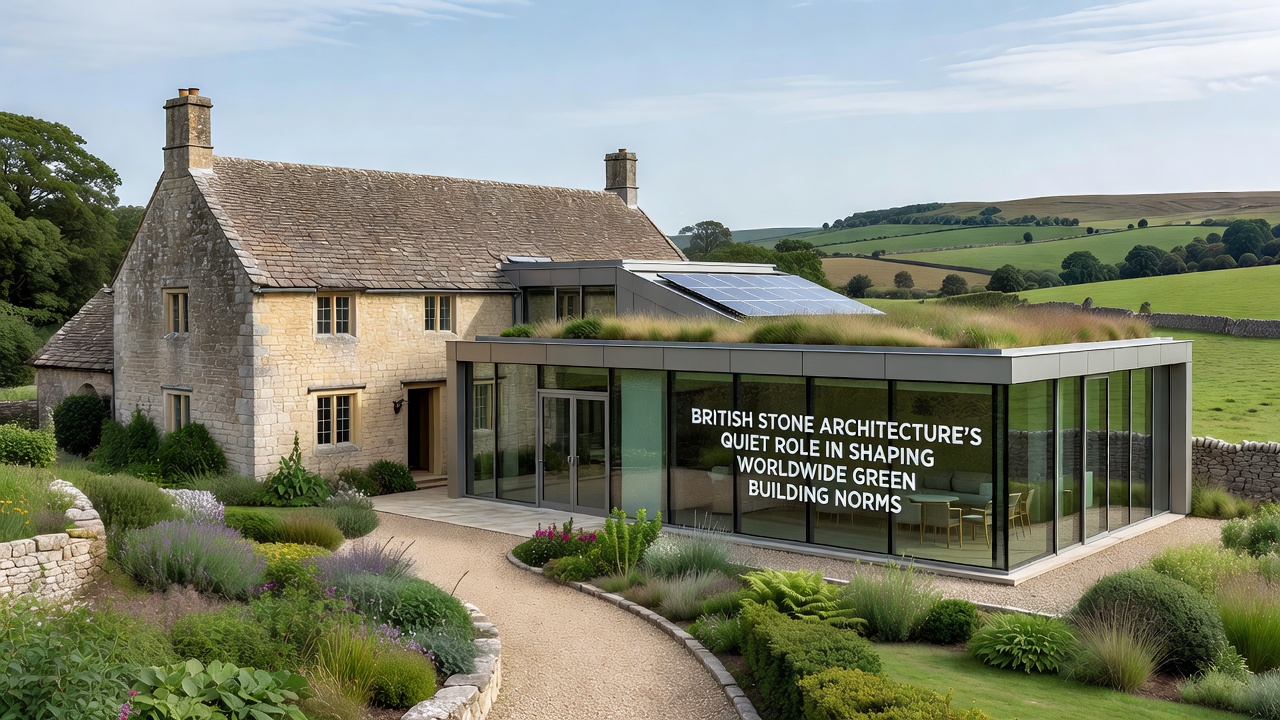 One study from a Canadian research institution examined retrofits that added stone rainscreen systems to existing frames, and the results indicated extended building lifespans alongside reduced embodied carbon per square meter over thirty-year periods. Similar findings surface in Australian reports that compare stone-clad educational facilities with metal-panel equivalents, showing lower whole-life impacts when stone replacement cycles extend beyond fifty years. These cross-regional comparisons reinforce the value of British historical data in contemporary assessment methods.