Vera Carter · 21 September 2026
Britain's Stone Exports Fuel Unexpected Alliances Between Quarry Operators and Ancient Site Conservators
Data from the British Geological Survey shows that stone exports from UK quarries reached record levels in 2025, with shipments of limestone, sandstone, and granite increasing by 18 percent year over year, and observers note that this growth has prompted quarry operators to form partnerships with groups focused on preserving prehistoric monuments and historic structures.
Quarries in regions such as the Peak District and the Mendip Hills have long supplied domestic construction projects, yet rising international demand from markets in North America and the Middle East has shifted priorities toward bulk extraction, and this change coincides with conservators seeking matched stone for repairs at sites including Stonehenge and Avebury.
Export Growth and Resource Pressures
Figures released by the Office for National Statistics in September 2026 indicate that stone and related mineral products generated £1.2 billion in export revenue during the previous fiscal year, while domestic supply chains face tighter planning restrictions on new extraction licenses, and quarry operators report that overseas contracts now account for nearly 35 percent of total output at several major sites.
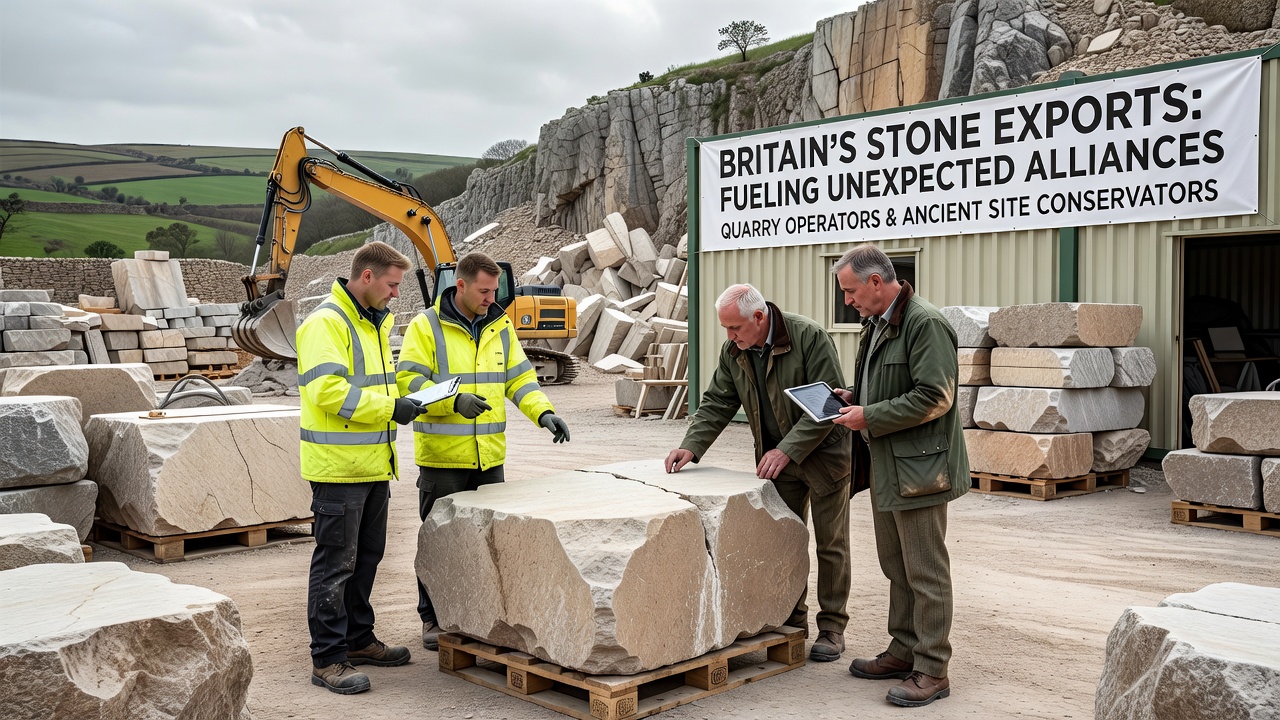
Those who manage these facilities have adjusted blasting schedules and processing lines to meet stricter quality standards demanded by foreign buyers, and the same precision techniques that produce uniform blocks for export have proven useful when conservators request replacement stones that blend seamlessly with ancient masonry.
Emerging Partnerships
Industry records show that formal agreements between extraction companies and heritage organizations began appearing in late 2024, with quarry managers supplying cut stone at reduced rates in exchange for technical guidance on minimizing vibration impacts near sensitive archaeological zones, and researchers from the University of Bristol documented how these arrangements reduced transport emissions by consolidating loads for both commercial and conservation deliveries.
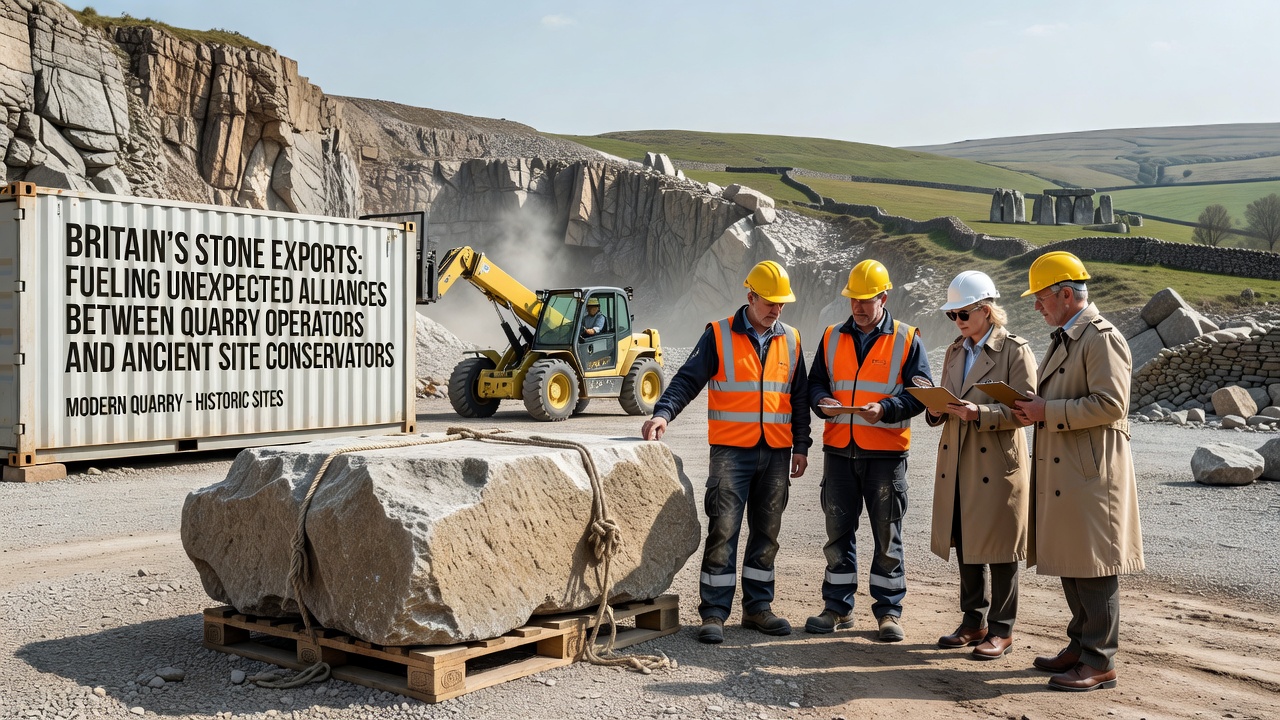
One case involved a sandstone quarry in Derbyshire that provided matched material for repairs at a scheduled monument in Wiltshire, and the project required joint testing of weathering properties under protocols developed by Historic England, while similar collaborations have since expanded to include training programs where quarry geologists teach conservators how to identify optimal bedding planes in natural stone deposits.
According to a report issued by the Department for Environment, Food and Rural Affairs, these alliances have facilitated the reuse of quarry waste material for stabilizing earthworks at protected sites, and data collected through 2026 demonstrates measurable reductions in the need for imported stone that often fails to match local geology.
Regulatory and Technical Developments
Planning authorities in England and Scotland have begun incorporating heritage impact assessments into export license reviews, and quarry operators must now demonstrate that extraction volumes leave sufficient reserves for domestic conservation needs, while the Minerals Planning Guidance framework updated in 2025 encourages such dual-use strategies.
Technical working groups established by the Stone Federation Great Britain have published guidelines on traceability systems that tag blocks destined for either export or heritage use, and these systems rely on digital scanning methods that originated in commercial quarrying operations before being adapted for archaeological documentation.
International Context and Future Outlook
Comparisons with practices in Canada and Australia reveal that UK operators are adopting similar resource-sharing models, yet British partnerships emphasize integration with existing ancient site management plans, and evidence from pilot projects suggests that coordinated extraction can extend the operational life of quarries by aligning commercial output with periodic conservation demand cycles.
Stakeholders continue to monitor export volumes against available reserves, and September 2026 updates from the Joint Nature Conservation Committee highlight ongoing surveys that map stone sources suitable for both markets, while maintaining protections for scheduled monuments located near active workings.
Conclusion
Current patterns indicate that Britain's stone export sector and ancient site conservation efforts now share operational and technical infrastructure in ways that were not coordinated prior to 2024, and continued data collection through government and academic channels will determine how these arrangements evolve alongside shifting international trade conditions and domestic heritage priorities.